
Understanding the Dynamics of Sports Broadcasting
What is Sports Broadcasting?
Sports broadcasting refers to the process of transmitting live or recorded sports events, news, and commentary to an audience via various media platforms, including television, radio, and the internet. The primary goal is to connect fans with their favorite teams, athletes, and events, offering commentary and analysis that enhances the viewing experience. This sphere of media not only delivers real-time coverage but also serves as a significant vehicle for advertising and sponsorship opportunities, shaping the economy of sports. The evolution and expansion of Sports Broadcasting have been influenced by technology, audience preferences, and regulatory frameworks, creating a complex landscape for broadcasters and sports entities alike.
The Role of Technology in Sports Broadcasting
Technology plays a pivotal role in modern sports broadcasting. From high-definition cameras and drone technology to virtual reality (VR) and augmented reality (AR), advancements have revolutionized how audiences engage with sports. Data analytics has emerged as a critical tool, allowing broadcasters to provide in-depth statistics and real-time analysis, heightening viewer engagement. Furthermore, streaming technology has put sports events within reach of global audiences, enabling live broadcasts on multiple devices, including smartphones, tablets, and smart TVs. This technological integration not only enhances the broadcast quality but also influences how content is consumed, ensuring audiences receive immersive experiences.
Key Regulations in Sports Broadcasting
Sports broadcasting operates within a network of regulations that govern rights, content distribution, and advertising. Licensing agreements dictate how broadcasting rights are allocated, often leading to fierce competition among networks. Additionally, legislation surrounding copyright laws protects the intellectual property of sports leagues while also influencing how content can be accessed and shared. Regulatory bodies frequently monitor broadcasting practices to ensure compliance with established standards, thus impacting what content is permissible for broadcast, including restrictions on advertising during live events and guidelines on sponsorship disclosures. Understanding these regulations is essential for broadcasters and sports organizations to navigate the evolving landscape effectively.
Essential Components of a Sports Broadcasting Setup
Equipment Needed for Effective Sports Broadcasting
A successful sports broadcasting operation requires a variety of equipment and tools to ensure high-quality transmission. Essential equipment includes high-definition cameras for capturing live action, audio gear for clear commentary, and switchers for managing multiple camera feeds. Other critical components are graphics and replay systems that enrich the viewing experience by integrating visual elements and allowing for instant replays. Connectivity gear, including satellite links and streaming servers, is vital for transmitting content to various platforms. Investing in reliable technology is not just a one-time expense; regular upgrades and maintenance are necessary to keep up with industry standards and viewer expectations.
Choosing the Right Software for Sports Broadcasting
Selecting suitable software is equally crucial for sports broadcasting. Production software helps manage camera feeds, graphics integration, and live streaming, enhancing operational efficiency. Tools that offer real-time data analysis allow broadcasters to engage viewers with rich insights during telecasts. Additionally, content management systems play a crucial role in organizing and distributing recorded broadcasts across multiple platforms. As the market evolves, staying abreast of the latest advancements in broadcasting software is essential for broadcasters to maintain competitive advantages and deliver high-quality content consistently.
Studio Design and Its Impact on Sports Broadcasting
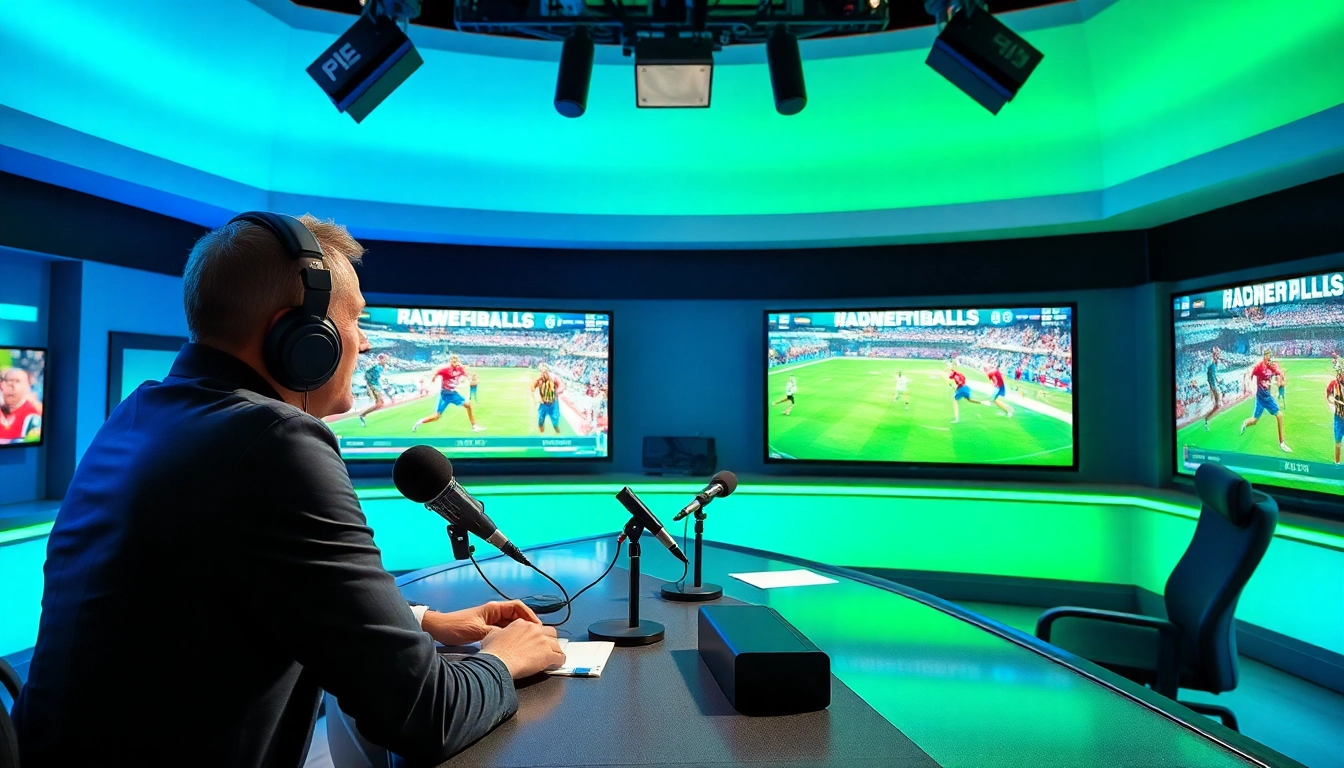
The design of a broadcasting studio significantly impacts production quality and viewer perception. A well-designed studio not only optimizes the workflow for the production team but also creates an engaging visual environment for the audience. Key elements include acoustics, lighting, and multi-camera setups to capture different angles and reactions. Additionally, incorporating interactive elements, such as touchscreen displays for data visualization, can enhance viewer engagement. The aesthetic appeal of the studio reflects the brand image of the broadcaster, making it important to invest time and resources into creating an impressive and functional space.
Strategies for Engaging Sports Broadcasting Content
Storytelling Techniques in Sports Broadcasting
Effective storytelling is at the heart of engaging sports broadcasting. Narratives can transform a simple game into an engaging experience by highlighting personal stories of athletes, historic moments, and pivotal challenges. Broadcasters can engage viewers through emotional connections, emphasizing the human aspect of sports. For example, showcasing an athlete’s journey from adversity to triumph encapsulates storytelling that resonates with many viewers. Techniques such as character development, plot progression, and conflict resolution can enhance storytelling in commentary and analysis, captivating audiences and intruding their loyalty over time.
Leveraging Social Media for Sports Broadcasting
Social media platforms have become indispensable for sports broadcasting, serving as both promotional tools and engagement channels. They allow broadcasters to connect with fans in real-time, share highlights, and provide behind-the-scenes content that enriches the viewer experience. Utilizing platforms such as Twitter, Instagram, and TikTok can extend reach and attract untapped audiences. Social media interactions can help broadcasters gauge viewer sentiment, collect feedback, and adapt content strategies accordingly. Creative campaigns that encourage fan participation – like polls, Q&As, or contests – can further enhance community engagement and promote brand loyalty.
Building Community Engagement through Sports Broadcasting
Community engagement is essential for the sustainability of sports broadcasting. By fostering a sense of community, broadcasters can enhance viewer retention and loyalty. This can be achieved by hosting live events, fan meet-and-greet sessions, or online forums where viewers can share their thoughts. Additionally, broadcasting partnerships with local teams or organizations can strengthen community ties, turning a passive audience into active participants. Engaging with fans through discussions about game strategies, player performances, or even fantasy leagues can create a robust online community that drives meaningful interactions.
Analyzing Audience Metrics in Sports Broadcasting
Understanding Viewership Trends
Understanding viewership trends is vital for optimizing sports broadcasting strategies. Data analytics provides insights into who the audience is, when they engage, and what content they prefer. Metrics such as ratings, demographic information, and audience engagement statistics give a comprehensive overview of performance and viewer preferences. With insights drawn from these metrics, broadcasters can tailor their content, advertising strategies, and even timing of broadcasts to better align with audience expectations. Regularly analyzing trends allows broadcasters to remain competitive in a rapidly evolving market.
Tools for Analyzing Sports Broadcasting Performance
Various tools and platforms are available for analyzing sports broadcasting performance. These tools help assess viewer engagement, advertising effectiveness, and return on investment. Software that consolidates data from multiple broadcast channels facilitates in-depth analysis and reporting. Broadcasters can track metrics such as viewer retention rates, peak viewing times, and social media engagement levels. This data is instrumental in developing strategies aimed at maximizing reach and prioritizing content that resonates most with the audience. As technology evolves, leveraging these tools effectively can give broadcasters a significant edge.
Feedback Mechanisms for Continuous Improvement in Sports Broadcasting
Implementing feedback mechanisms is crucial to improving sports broadcasting. Surveys, social media feedback, and focus groups can provide direct insights into viewer preferences and expectations. Constructive criticism allows broadcasters to identify strengths and weaknesses in their content and delivery. Establishing a dedicated channel for viewer feedback encourages audience participation and fosters a community-centered approach to content development. Moreover, integrating viewer feedback into programming decisions can help maintain relevance and enhance viewer satisfaction over time.
Future Trends in Sports Broadcasting
The Impact of Virtual Reality on Sports Broadcasting
Virtual reality (VR) stands poised to redefine sports broadcasting by offering immersive experiences that traditional broadcasts cannot. VR technology enables viewers to experience live games from different angles as if they were present in the stadium. This shift offers broadcasters a unique opportunity to engage with audiences in unprecedented ways, potentially leading to increased viewer loyalty and unique monetization strategies. Furthermore, exclusive VR content, such as player interactions and locker room tours, can add value to the viewing experience, creating new avenues for engagement and revenue.
Emerging Technologies Reshaping Sports Broadcasting
Emerging technologies like artificial intelligence (AI) and machine learning are beginning to reshape sports broadcasting. AI can aid in data analysis, automating insights about game strategies and player performances that can be shared during broadcasts. Machine learning algorithms can enhance viewer recommendations, ensuring that audiences receive tailored content suggestions aligned with their interests. As these technologies continue to evolve and integrate into broadcasting practices, they hold the potential to create more personalized and engaging viewer experiences while improving operational efficiencies for broadcasters.
Predictions for the Future of Sports Broadcasting
Looking ahead, several trends are predicted to alter the landscape of sports broadcasting. Increased integration of interactive content will likely dominate the audience’s viewing experience, allowing them to choose camera angles, stats, and highlights during live broadcasts. The rise of subscription models and direct-to-consumer streaming services may shift the way sports content is monetized, with fans preferring more control over their viewing experiences. Additionally, advancements in 5G technology will enhance live-streaming capabilities, offering fewer interruptions and better quality content. The future of sports broadcasting appears focused on enhanced interactivity, personalization, and immersive experiences.
Frequently Asked Questions
What is the main purpose of sports broadcasting?
The main purpose of sports broadcasting is to transmit live or recorded sports events and commentary to engage and inform viewers actively.
How has technology impacted sports broadcasting?
Technology has transformed sports broadcasting by enhancing broadcast quality, allowing real-time data analytics, enabling broader accessibility, and creating immersive viewer experiences through VR and AR.
What type of equipment is essential for sports broadcasting?
Essential equipment includes high-definition cameras, audio gear, streaming servers, and software for managing broadcasts effectively.
How can social media be leveraged in sports broadcasting?
Social media can enhance sports broadcasting by promoting content, fostering real-time interactions with fans, and providing behind-the-scenes access to enhance viewer engagement.
What are emerging trends in sports broadcasting?
Emerging trends include the use of virtual reality for immersive experiences, AI and machine learning for data analysis, and a shift towards direct-to-consumer streaming services to provide personalized content.